Umrah is the “lesser pilgrimage” to Makkah, performed by Muslims at any time of year except during the Hajj days. It consists of ihram, Tawaf around the Kaaba, Sa’i between Safa and Marwa, and cutting the hair.
In this guide
The meaning of Umrah
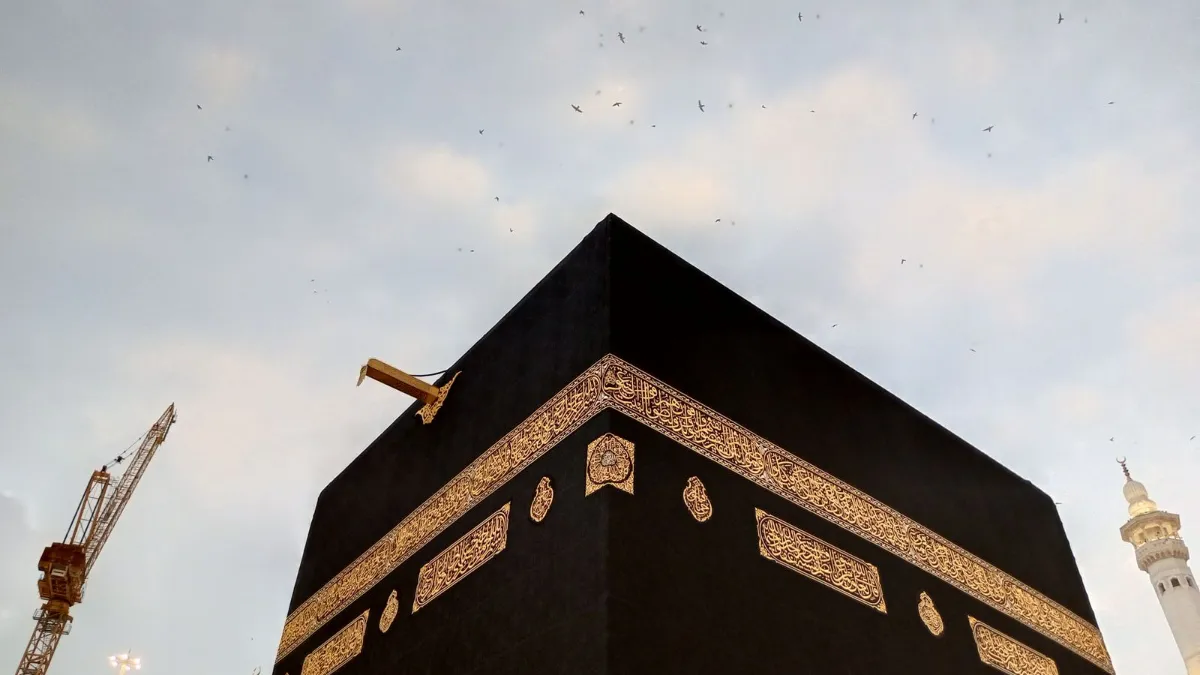
Linguistically, Umrah comes from an Arabic word meaning to visit a populated place. In Islamic terms it means visiting the Sacred House, the Kaaba in Makkah, to perform a set of rites in a state of ihram. It is often called the lesser pilgrimage, while Hajj is the greater pilgrimage.
Is Umrah obligatory?
Scholars of the four Sunni schools have different views. The Shafi’i and Hanbali schools regard Umrah as obligatory once in a lifetime for those who are able, while the Hanafi and Maliki schools regard it as a strongly emphasised Sunnah. All agree it is a highly rewarded act of worship.
Key points
- The word Umrah comes from an Arabic root meaning “to visit”.
- It can be performed at almost any time of year, unlike Hajj.
- Scholars differ on whether it is obligatory once in a lifetime or a strongly recommended Sunnah.
- It takes a few hours to complete, though most UK pilgrims stay 7 to 14 nights.
- Only Muslims may enter Makkah to perform Umrah.
What happens during Umrah?
The rites are short compared with Hajj:
- Ihram: entering the sacred state with the intention, before the miqat.
- Tawaf: seven anticlockwise circuits of the Kaaba.
- Sa’i: seven lengths between the hills of Safa and Marwa.
- Halq or taqsir: shaving or trimming the hair to leave ihram.
Our step-by-step Umrah guide explains each rite in detail.
Where and when is Umrah performed?
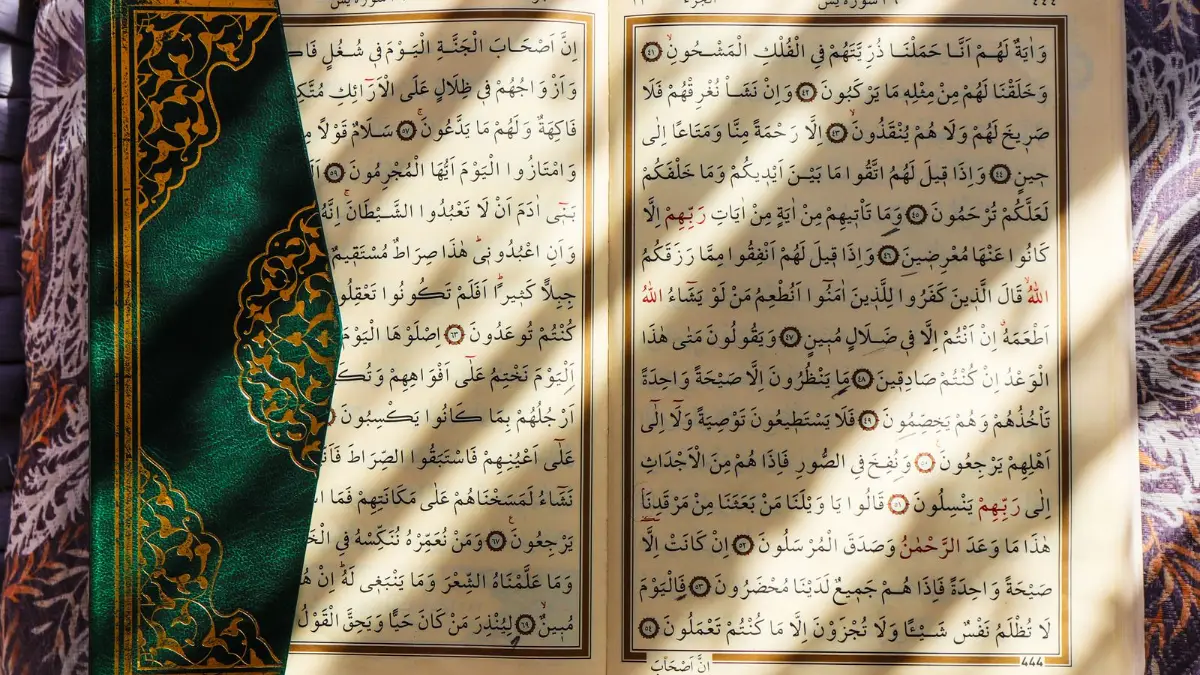
Umrah is performed at Masjid al-Haram in Makkah, Saudi Arabia. It can be done throughout the year, but the Saudi authorities pause Umrah visas for several weeks around Hajj. Ramadan is the most popular and most rewarding time, followed by the UK school holidays in December and at Easter.
Umrah and Hajj: the key differences
Hajj takes place only on set days of Dhul Hijjah, lasts around five days and includes standing at Arafah. Umrah has no fixed date, takes a few hours and does not include Arafah, Muzdalifah or Mina. Read more in the difference between Hajj and Umrah.
The rewards of Umrah
The Prophet Muhammad (peace be upon him) said that one Umrah to the next is an expiation for what is between them, and that an Umrah performed in Ramadan is equal in reward to Hajj (reported by al-Bukhari and Muslim). These narrations are why many British Muslims save for years to perform Umrah, often more than once.
Beyond the reward, pilgrims often describe Umrah as a reset. Days are built around the five prayers, time in the Haram and quiet reflection, away from work and screens. Many return home with new habits: praying on time, reading more Quran and making dua more often. For families, it can also be a shared memory that children carry for life, especially when they are old enough to take part in the rites themselves.
Umrah through the year: a quick guide for UK families
- November to February: cooler weather and often better prices, outside Ramadan and the Christmas holidays.
- Ramadan 2027: expected to begin around 8 February 2027, subject to moon sighting. Busiest and most rewarding.
- Easter holidays: popular with families; Easter Sunday 2027 is 28 March.
- May and June: Umrah is paused for several weeks around Hajj.
- Summer: very hot, so rites are best done at night.
- December: school holidays, mild weather and high demand.
Preparing for Umrah spiritually
Umrah is a journey of worship, not a holiday, and preparation makes a real difference. Many pilgrims settle debts or ask permission from those they owe, seek forgiveness from family and friends, and learn the rites and key duas before leaving. Attending a pre-Umrah class at your local mosque is a good way to practise.
It also helps to write a short list of personal duas for yourself, your family and those who asked you to pray for them. In the crowds of the Haram it is easy to forget, and a list on your phone keeps you focused.
Finally, plan your time. Decide in advance how many nights you will spend in Makkah and Madinah, and leave room for rest so that you can pray in the Haram with energy rather than exhaustion.
Who can perform Umrah?
Any Muslim who is able can perform Umrah, including children, older people and people with disabilities, who can use wheelchairs and buggies. Non-Muslims are not permitted to enter Makkah. Women can now travel for Umrah without a mahram on some visa types, though scholars differ on the religious ruling, so many families seek personal advice.
Planning your trip? Umrah packages from Manchester Family Umrah packages How to perform Umrah
Frequently asked questions
What does Umrah mean?
It comes from an Arabic word meaning to visit. In practice it means visiting the Kaaba to perform specific rites.
Is Umrah the same as Hajj?
No. Hajj happens on fixed days once a year and is a pillar of Islam; Umrah can be performed at almost any time and takes a few hours.
How many times can you perform Umrah?
There is no limit. Many pilgrims perform it more than once in their lifetime.
Where is Umrah performed?
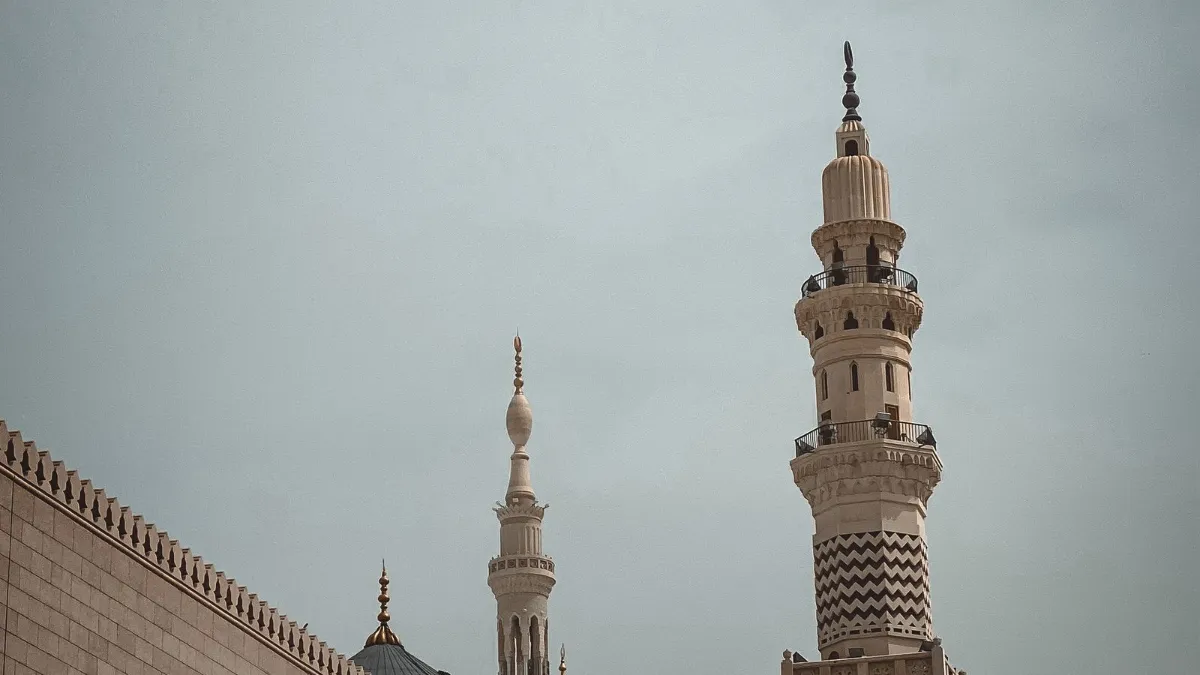
At Masjid al-Haram in Makkah, Saudi Arabia. Most pilgrims also visit Masjid an-Nabawi in Madinah on the same trip.
Can non-Muslims perform Umrah?
No. Entry to Makkah is restricted to Muslims.
Sources
- Saudi Ministry of Hajj and Umrah
- Nusuk (official Hajj and Umrah platform)
- GOV.UK foreign travel advice: Saudi Arabia
Disclaimer: this article is general guidance, not religious, medical or legal advice. Visa, vaccination and entry rules are set by the Saudi authorities and the UK government and can change, so check the official sources above before you travel. Please ask a qualified scholar about matters of worship.
Written by [Author name], reviewed by [Reviewer name]. Last updated: 19 November 2026.